
Kanban actually began at Toyota as a smart way to manage workflow, and over time, it turned into the Kanban methodology that we use today. If you have ever looked up a Kanban board or a Kanban system or wondered what Kanban is or what the real meaning of Kanban is, we are starting right from the basics.
What makes it work so well? It is simple, has solid kanban values, a smooth process, and, of course, the tools that make everything visual and easy to manage.
So, as we start off this blog, here’s your introduction to how Kanban works, and why it is so known for managing complex work.
What Is The Literal Meaning Of Kanban?
The word Kanban comes from two Japanese characters:
- Kan (看) meaning sign or to look
- Ban (板) meaning board or card
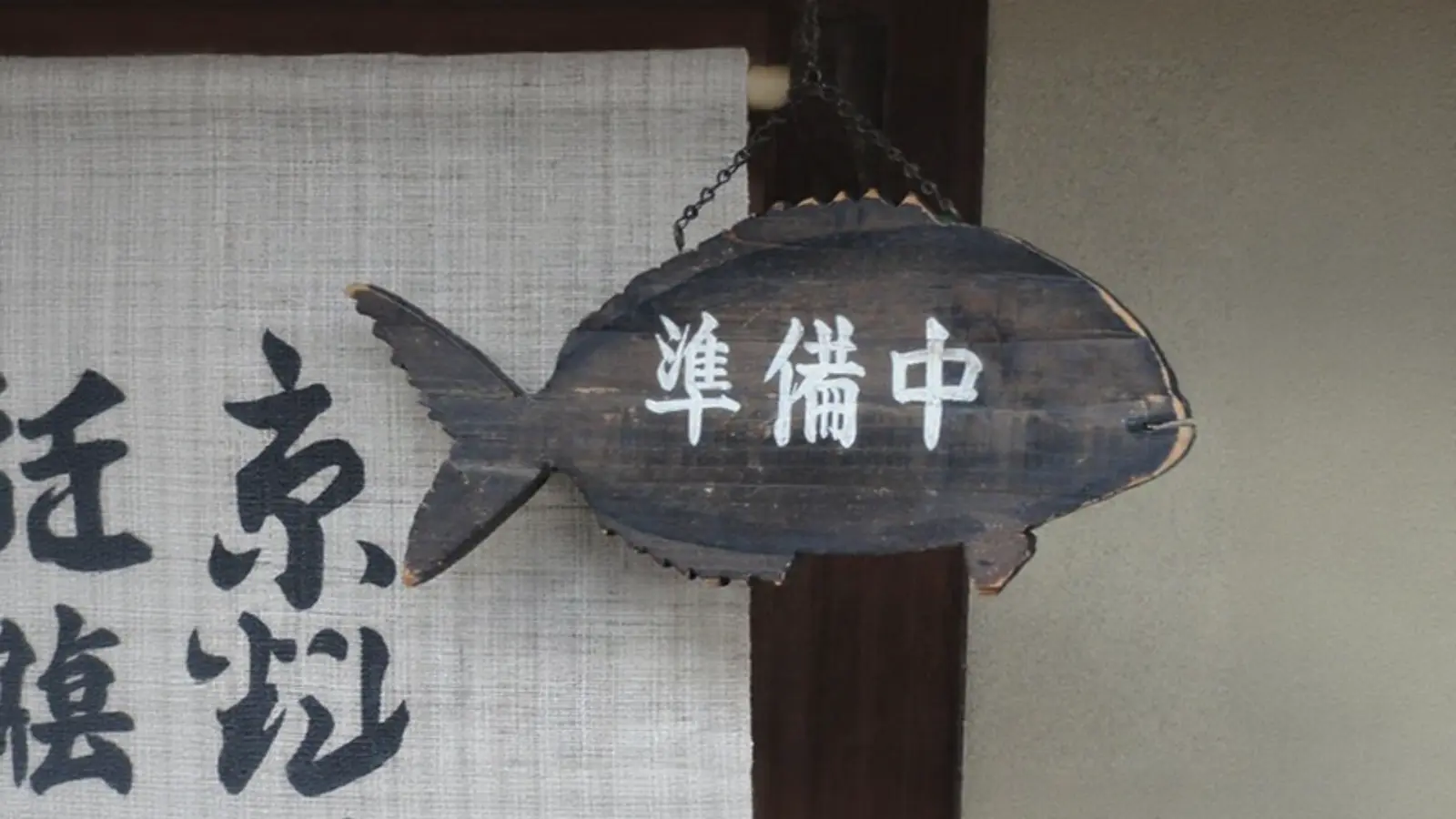
Kanban literally refers to a visual signboard/visual card.
For example, a fish shaped sign for a fisherman or a wooden pipe-shaped sign for a pipe shop.
These KanBan signs helped people instantly understand what each shop offered without needing explanations.
How does the meaning connect to Workflow Visualization?
The original Kanban signs communicated information instantly, and modern Kanban boards work the same way. Each task is shown as a visual card, and each stage of work becomes a column that anyone can understand at one glance.
This visual approach helps teams:
- See the entire workflow clearly
- Identify obstacles early
- Track progress without constant updates
- Make decisions based on the actual movement of tasks
The meaning of Kanban as a visual sign is the reason the Kanban system and Kanban methodology are so effective. Now that you have gotten an understanding of the meaning.
Kanban Project Management Framework
The Kanban framework is followed by the Kanban project management system to actually work. As it is built on simple and powerful principles that make work visible not only for you but also for others, it’s manageable and very efficient.
The Kanban methodology in project management focuses on smoother workflow and continuous improvement.
The key components of the kanban in the project management framework include cards, columns, work in progress (WIP) limits, and flow.
How do the Key Kanban Components Work?
1. Cards
The cards represent all the work on the Kanban board. These cards include a few details, like:
- Task name
- Task owner
- Deadline
- Task priority (high/medium/low)
2. Columns
Every card moves from left to right as the work is being completed. Columns represent different stages of the workflow, such as:
- To-Do
- In Progress
- Done.
3. Work In Progress Limits
WIP limits work by setting a maximum number of tasks allowed in any column at a time which helps teams from getting overburdened.
Now that we know the Kanban framework, let’s look into how the Kanban board works.
Kanban Board
The Kanban board is the core of the Kanban system. It is a visual tool that shows all tasks in a workflow. This makes it easier for teams to see what’s being worked on, what’s next, and what’s already completed.
Kanban boards are of two types:
- Physical Kanban: Whiteboards with sticky notes
- Digital Kanban: Software tools that allow teams to collaborate online
Regardless of the format teams use, the board is to track tasks and make sure the work moves smoothly from start to finish, keeping everyone on the same page.
Now that you have an idea of how a Kanban board works, let’s explore how tasks move from start to finish, and the difference between pull and push systems.
Pull system vs Push system
Kanban uses systems like “pull” and “push”; the pull system means the team members start new tasks only when they have the capacity.
For example, A developer is working on the task “Fix payment gateway bug.” They do not start any new task until this bug fix is completed and moved to Done. Only after finishing it, the developer pulls the next task from the To Do column, such as “Implement OTP verification.”
The push system is the opposite of pull, as in the push system, the tasks are assigned regardless of team workload. This overloaded the team members, which is most likely to cause delays.
For instance, a developer who is already busy with other tasks gets three more high priority tasks assigned by his project manager; the developer’s deadlines are most likely to slip.
Kanban Process
The Kanban process in project management provides a structured way to manage work from start to finish. It begins with mapping out the workflow where the teams outline each stage a task passes through from initial request to final delivery. This clarity makes sure everyone understands how work moves and where obstacles are more likely to occur.
Next comes managing the tasks in work in progress (WIP). By setting limits on how much work can be handled at each stage, teams avoid overload, reduce multitasking, and keep progress steady. WIP limits are one of the most powerful methods in Kanban for maintaining flow and protecting team capacity.
Now let’s look at how Kanban translates into effective project management by improving how teams visualize work, manage flow, and deliver with better predictability.
Your free Kanban Board Template (Excel) is ready to download and use.
Grab Your Kanban Board Template
Kanban Tools
As kanban is a project management tool, it helps the team to implement the Kanban methodology correctly.
Popular Kanban Project Management Tools
- Trello: Trello is a simple, user friendly platform best suited for small teams or personal projects.
- Jira: Jira is a powerful tool for software development with advanced tracking and reporting.
- Asana : Asana is a flexible platform that supports Kanban boards alongside other project views.
- Monday.com: In Monday.com, there are visually customizable boards ideal for cross functional teams.
- ClickUp : Kanban boards, workflow automation, and task management are all combined in ClickUp.
Conclusion
Kanban gives you a clear idea about the work if it is done or not. Regardless of what you are doing, whether it is just managing software projects, marketing tasks, or daily operations. Even though Kanban started as a simple visual signboard, today it has become one of the most effective ways to manage work in any industry especially project management.
Now that you know how it works from meaning to methodology, you are ready to apply Kanban to your own projects with confidence.
FAQS related to Kanban
We have compiled a few commonly asked questions regarding Kanban and answered them for you. Hope these help you clear your doubts!
1. What are the five rules of Kanban?
The five rules are as follows:
- 1. Visualize the workflow
- 2. Limit work in progress
- 3. Manage flow
- 4. Make process policies clear
- 5. Keep improving the system continuously.
2. Are there any limitations in Kanban?
Kanban can sometimes be less when the work varies widely or any teams don’t follow work in progress limits consistently.
3. What are the 4 principles of Kanban?
The four principles are as follows:
- 1. Start with your current process
- 2. Improve gradually
- 3. Respect existing roles
- 4. Encourage leadership from everyone.